Root canal treatment in Cannington
Root canal treatment removes infected or inflamed tissue from inside a tooth so the tooth can be kept rather than extracted.
What to know
A tooth may need root canal treatment after deep decay, a crack, repeated dental work or an injury. Common signs are lingering pain, sensitivity to heat, swelling or a darkened tooth, although some teeth show no symptoms.
Treatment is carried out under local anaesthetic and usually takes one to three visits. Afterwards the tooth often needs a crown to protect it. Your dentist will explain whether treatment is likely to succeed and what the alternatives are, including extraction.
What a visit involves
Assessment
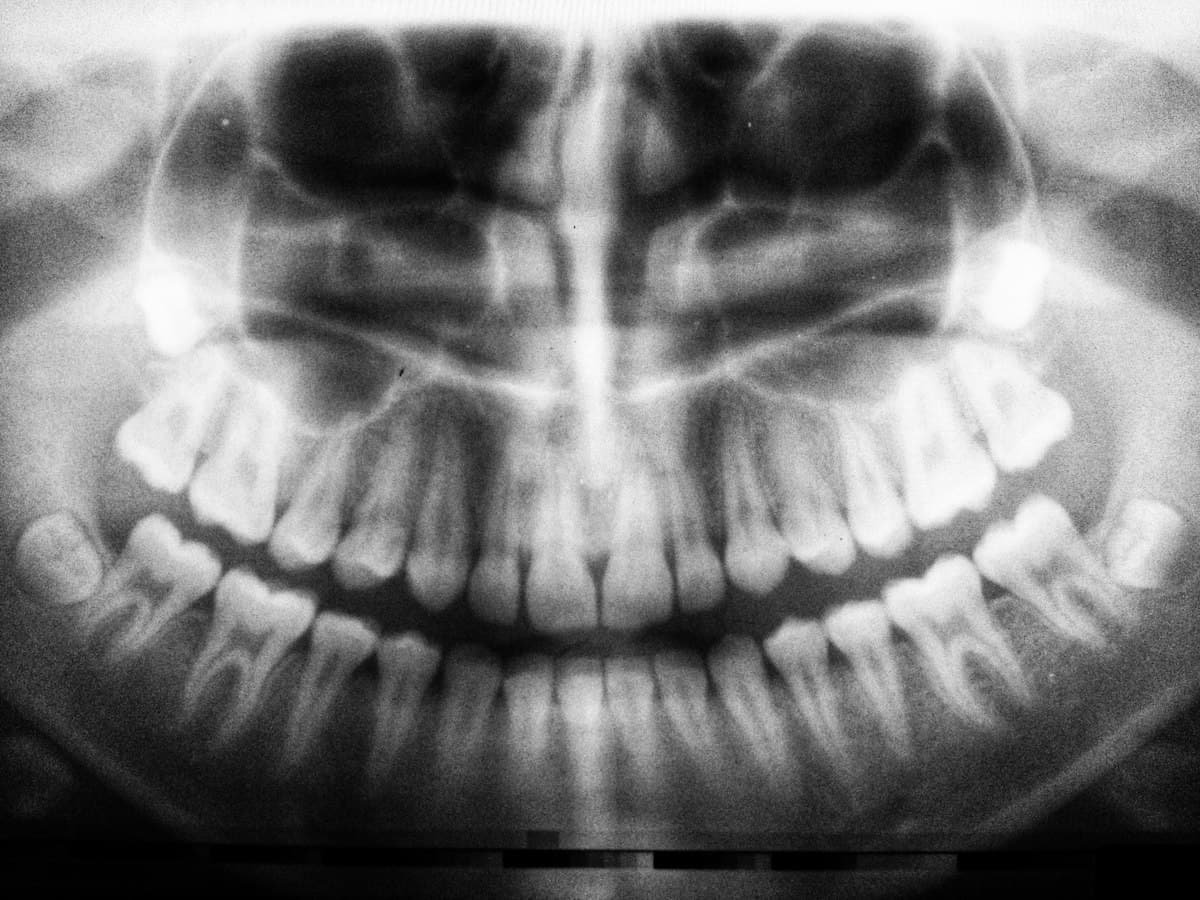
Examination and X-rays to confirm the cause and plan treatment.
Clean
The inside of the tooth is cleaned and shaped under local anaesthetic.
Fill
The root canals are sealed and a temporary or permanent filling placed.
Protect
A crown is often recommended to protect the tooth long term.
This page is general information, not advice for your situation. Suitability, risks and results are assessed at an examination. Read our health information and advertising disclaimer.
Visiting us in Cannington
Root canal treatment at Go Smiles Dental Studio, inside Westfield Carousel.
- Where we are
- Shop 1050, Westfield Carousel, 1382 Albany Highway, Cannington WA 6107. Get directions (opens in a new tab)
- Opening hours
- Monday to Saturday: 9 am to 5 pm
- Getting here
- Westfield Carousel visitor parking is reached from Albany Highway, with 3 hours of free parking in the centre. The clinic is inside the centre at Shop 1050. Cannington train station and bus interchange are a short walk from Westfield Carousel.
- Paying for treatment
- Claim on the spot from most health funds through HICAPS, so you only pay the gap. Payment plans are available for larger treatment. Payment options
Patients visit us from Bentley, Queens Park, Beckenham, Wilson, Ferndale, East Victoria Park and Thornlie. Areas we serve
Common questions
Is root canal treatment painful?
The treatment is done under local anaesthetic and most people find it similar to having a filling. Some tenderness afterwards is normal and usually settles within days.
What happens if I do nothing?
An infected tooth will not heal on its own and can lead to abscess, swelling and bone loss. Your dentist will discuss the options, including extraction.
Any surgical or invasive procedure carries risks. Before proceeding, you should seek a second opinion from an appropriately qualified health practitioner.